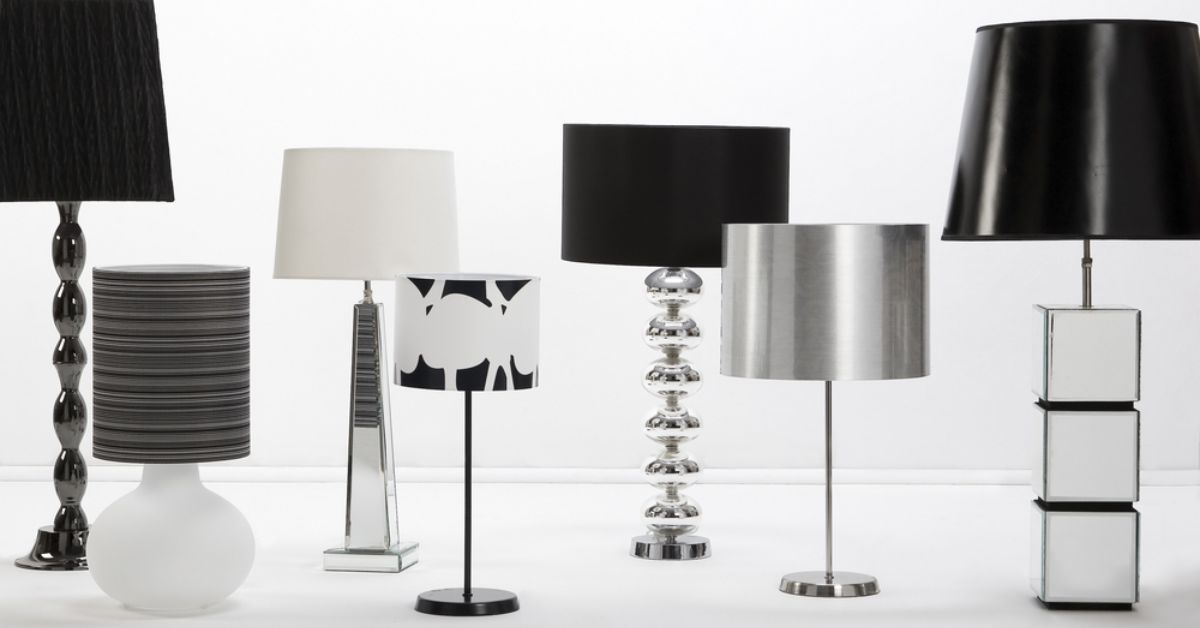
How to Choose the Perfect Lamp Shades for Floor Lamps (Complete 2026 Buying Guide)
A bad shade can make a floor lamp look cheap. Good ones change the whole space. The way they control the lights allows them to make rooms feel cozy or bright. Without a good lamp shade for floor lamps, the light looks wrong or too harsh.
People often pick shades that do not fit well. This guide helps with that. It covers sizes, styles, and tips. You will learn how to buy like an expert in 2026.
Lamp Shade Elements That Matter
When buying new lamp shades, here’s what you need to keep in mind:
- Floor lamps stand tall. Their shades sit higher than table lamps. Light spreads wider from up there. So the shade needs to match the lamp base and room size.
- Think about drops. Drop means how low the shade hangs from the top of the lamp. For floor lamps, drop stays around 10 to 15 inches. Too low, and it blocks walking space. Too high, and the light goes everywhere harshly.
- Materials count too. Fabric softens light. Metal gives sharp beams. Paperwork for cheap looks but breaks easily.
Types of Lamp Shades for Floor Lamps
Here’s what you need to know:
- Drum shades: These are round and straight. They give even light and are good for reading corners.
- Empire shades: These are wider at the bottom. They throw soft glows downward and are nice for living rooms.
- Bell shades: These have narrow tops and wide bottoms like a bell. Their classic look elevates all kinds of rooms.
To find unique lamp shades for floor lamps, you can go for some patterns or bright colors that add personality. But to be safe, pick something simple before you start experimenting.
Choosing the Right Size
Size comes first. Measure the lamp wrong, and nothing works. To get the lamp harp height, measure from the socket to the top of the harp. Add that to the shade height for the total drop.
Floor lamp shades need the right width, too. Plus, the top and bottom diameters matter.
Standard sizes:
- Small: 10-inch top, 14-inch bottom, 9-inch height. For thin lamps.
- Medium: 12-inch top, 18-inch bottom, 11-inch height. Most common.
- Large: 14-inch top, 22-inch bottom, 13-inch height. For big bases.
Shape and Style Matches
Shape changes light patterns. Round shades spread light evenly. Square ones push light more toward the corners.
Match the shade to the lamp style. If the base is curved, go with a curved shade. If it’s a straight pole, a drum, or a square shade usually works better.
The room style should guide your choice, too. Modern rooms often suit metal or plain white shades. Traditional spaces usually look better with pleated fabric.
Color also matters. White reflects light the best. Dark shades make a room feel warmer, but they also dim the light a bit.
Patterns can hide dust better, while solid colors tend to show dirt faster. For floor lamp shades, avoid very busy prints on small lamps. They can look overwhelming.
Right now, trends in 2026 are leaning toward simple designs. Neutral tones with one accent color are common.
Material Choices That Last
Fabric choices are important. Here’s what we suggest:
- Go for cotton if you want a softened light.
- Linen wrinkles less and is low maintenance.
- Silk looks fancy but catches dust fast.
- Paper shades are cheap. You can find fun colors, but fire risk is high. Not suitable for kids’ rooms.
- Plastic or PVC cleans with a simple wipe down. Good for busy homes.
- Glass shades are heavy and come with pretty patterns. Floor lamps need strong harps to support them.
- Metal perforated lets light through holes. They feel modern and classy.
- Lined shades are perfect because their inner white layer stops glare and throws a cozy light.
Tip: Pick materials that are fire-rated and listed as safe.
Mounting Ways Explained
There are different types of ways you can mount lampshades onto lamps.
- Most floor lamp shades use a harp fitting. It’s that U-shaped metal piece that holds the shade in place.
- An UNO fitter is different. It twists directly onto the bulb socket instead of sitting on a harp.
- A spider fitter is the one who sits on top of the harp and clips inside the shade with a small finial on top. That’s the one you need if your lamp uses a harp.
- There’s also something called a washer fitter that slips over the bulb, but it’s rare now and not common for floor lamps anymore.
Make sure when you secure the shade, tighten the top nut gently. If you twist it too hard, it can crack or damage the shade.
Mistakes That Common People Make
To find the best kind of lamp, avoid these mistakes:
- Getting the wrong size is the biggest problem. Shades that are too big wobble.
- Ignoring bulb heat, and then the hot bulbs melt cheap shades.
- Forgetting the room scale. Huge shades make small rooms look even smaller.
- Only focusing on buying pretty without understanding the practicality.
- Not getting shades with lining, and then the glare is too harsh and hurts the eyes.
- Not securing the harp properly, making the shade fall easily.
Cleaning and Care Tips
Maintenance is also important for your lamp shares. Otherwise, they would deteriorate easily.
- Dust weekly with a soft brush or low vacuum .
- Spot clean fabric with mild soap.
- Replace paper shades yearly.
- Store extras in a box so they wouldn’t bend..
- If damaged, use glue kits to fix small tears.
Conclusion
Choosing lamp shades for floor lamps takes measure and thought. Get the size right first, match the style to the room, then test the light before taking it home. Do this, and lamps work a thousand times better, the rooms feel right, and you have no regrets later. Simple steps lead to good buys. Try one change today and see the difference.