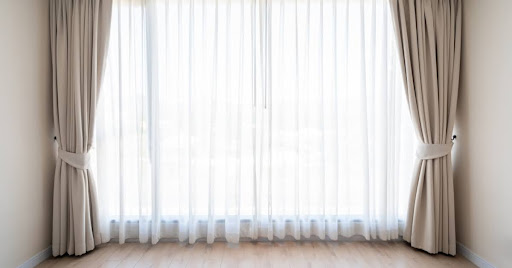
How Can Curtains Transform the Look of a Room?
When a room shows exceptional furniture, fresh paint and proper lighting, but still fails to complete its design. The missing element exists in the window area. The design effect of curtains becomes visible through their improper performance. A room needs proper curtains to create a complete appearance that others cannot explain.
The main function of curtains gives it strength because it changes how people view entire rooms instead of only the window areas that it covers. Drapery determines the perceived height of ceilings and the distance between walls, and the temperature of the natural light that enters the space. All of these elements begin with one decision at the window, and this guide will outline exactly what that decision is.
How Curtains Reshape the Proportions of a Room
The Relationship Between Curtains and Ceiling Height
The function of curtains is to alter room height perception through their design; the absence of actual ceiling contact remains one of their most undervalued aspects. A long panel running from high on the wall down to the floor creates an unbroken vertical line that the eye reads as height. The dimensions of the room are not responsible for creating a cramped feeling because the space needs only to eliminate its current interruptions of vertical lines, which stop at window sills and above floor level.
Why the Gap at the Bottom Hurts the Whole Room
The curtains hang several inches above the floor. The curtain creates a visual division that separates the entire space into two different sections. The gap between the two elements attracts viewer focus because it creates an imperfection, which causes people to examine that particular aspect instead of other display components. The floor-grazing panels solve the existing problem because they allow the space to maintain its original vertical architectural style.
How Curtains Shape the Natural Light in Any Space
Sheer Curtains and the Difference Between Blocking and Shaping Light
The light-blocking technique operates differently from light-shaping methods. Sheer curtains serve as more than light barriers because they diffuse light throughout the room. The intense sunlight and shadows of the afternoon create extreme brightness, but sheer curtains reduce this effect to create better viewing conditions. The wall colors show their actual appearance because the furniture size creates a balanced distribution of space.
Treating Curtain Position as a Lighting Decision
The room receives light based on the panels’ daytime positions throughout the day. The light becomes focused on a specific spot when the panels are moved to one side. The solution requires combining window openings from both sides of the building. Most people adjust this feature automatically because they do not know it functions as a design element. The room becomes simpler to manage when people follow the established methods for various tasks that they will perform throughout the day.
What Colour Curtain Does to the Mood of a Room
When White Curtains Are the Smartest Thing in the Room
White curtains are seen as a classic option, but they serve a special purpose. They reflect light instead of absorbing it, acting as an extra light source on cloudy days. Rooms without direct sunlight can feel dull by midday. White curtains help by reflecting light back into the room, keeping it bright and lively.
White curtains work best in:
- Rooms with limited windows or weak sun exposure through the day
- Living and dining rooms where brightness shapes how welcoming the space feels to guests
- Rooms with heavy visual texture that need something calm at the window to balance it out
What Happens When You Swap in a Deep Tone
Replacing light curtains with a deep, earthy tone in a room you have lived with for years is one of the most surprising design moves available to you. The same furniture, walls, and layout will feel like a completely different room. Deep tones draw the walls inward slightly and create a sense of enclosure that reads as warmth rather than smallness. Dining rooms and sitting rooms respond to this especially well.
The Rooms Where Curtains Get Overlooked the Most
What Your Shower Curtain Says About the Whole Home
Bathrooms are often overlooked by people because they are not the main living sections of the home. Although shower curtains hold are more significant than people think. Curtains in your bathroom function as one of the main elements, as it occupies most of the space in small bathrooms. The optimal bathroom design achieves its best outcome through the selection of either solid colours that remain unadorned or through patterns that maintain a low level of visual complexity. Valley Studio and Upholstery Blog serves as a demonstration of practical applications.
Final Thoughts
The available decorative methods display limited success in impacting four elements, which include proportion, light, mood and atmosphere. Sheer curtains create a lovely diffused light in a room on a sunny day, while white curtains on a grey day will light their surroundings, and a shower curtain will establish a subtle statement in an otherwise neglected space. The window in a room establishes most of the fresh appearance that defines the area.
Frequently Asked Questions
- Can curtains really make a small room feel bigger?
Yes, through vertical lines. Long panels running from high on the wall to the floor draw the eye upward and make the ceiling feel further away than it is.
- What type of curtains work best in a living room?
Sheer curtains work best in areas that need to receive natural light. The thicker-lined drapes work better in spaces that require sound insulation, heat retention and control of light entering the room.
- Do certain colors affect how a room feels emotionally?
Light tones create an open atmosphere in a space, while deep tones create a feeling of closeness. The emotional effect of certain colours exceeds that of smaller items because curtains cover more area.
- Is there a right way to hang curtains in a bathroom?
Install the shower curtain rod at a standard height, between the typical human height and the room’s maximum height. Higher installation of the rod creates an effect that makes the space appear taller and more open.