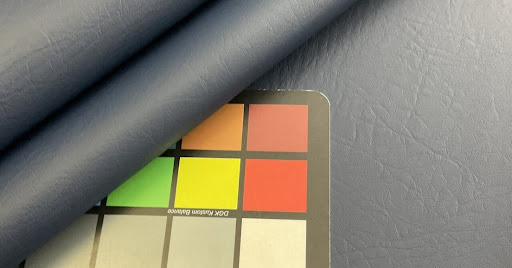
How to Choose the Best Vinyl Upholstery Fabric for Your Furniture
The selection process for vinyl upholstery fabric requires careful thought, which extends beyond online shopping. The item should provide daily comfort by creating a relaxing atmosphere that improves family dining experiences. High-quality upholstery relies on three key elements: robust materials, a range of color choices, and diverse textures to demonstrate how furniture endures regular use and integrates into home décor.
The existing noise surrounding the topic creates unnecessary interference. Everyone expresses their views about the subject, yet they disregard essential information. The work tries to eliminate confusion so you can select a decision that survives testing.
What Vinyl Actually Is, and Why That Matters
The vinyl material, which contains PVC, protects against spills and odors, enabling simple cleaning. This is an ideal solution for homes that have children and pets because it meets their requirements.
Grades and Thickness: The First Thing to Actually Check
Vinyl materials exist in different quality grades, which depend on weight as an essential measurement. The measurement system uses ounces per yard, and anything below 15oz will create a lightweight feeling to users. The standard weight for regular furniture requires materials to weigh between 20oz and 30oz. The design of commercial-grade vinyl products features higher density levels because they need to withstand heavy usage in business settings like restaurants and healthcare facilities.
The Role of Backing Material
Behind the surface is a backing layer that most people skip over. Knit backing stretches and works on curved pieces. Woven backing holds shape better over time. Flat cushions do fine with woven. Contoured pieces need something with give.
The Practical Things Nobody Talks About Upfront
The initial section of buying guides gives information about product color options and design styles. The marketing approach uses this method because it effectively sells products, although other elements operate in a more important capacity.
UV Exposure and Heat Tolerance
If the furniture sits near a window or is used outdoors, UV resistance matters quickly. Standard vinyl fades and can crack in direct sunlight. Marine-grade is the better choice there. The same logic applies to heat. Vinyl not rated for temperature fluctuation can stiffen in cold rooms and get tacky in warm ones.
Texture and How It Feels to Sit On
Smooth vinyl wipes easily. Embossed and pebbled surface textures provide excellent solutions for hiding small scratches while creating a warm atmosphere that avoids an unadorned appearance. Matte imitate leather finishes, while high-gloss surfaces are prone to fingerprint marks and scuff damage. The two options remain valid because their selection depends on the specific product and the maintenance efforts you plan to dedicate.
Shopping for Vinyl: Online vs Local
While prices are lower and there is a larger range to choose from when buying upholstery vinyl online, customers tend to give up the ability to feel the material before purchasing it. This matters more than what one may be expecting.
When Searching for Upholstery Vinyl Fabric Near Me Makes Sense
If you are working on a piece where texture or color match is critical, searching for upholstery vinyl fabric near me and visiting a local supplier first is worth it. You can feel the weight and hold samples next to the existing piece. Local shops often carry a narrower range, though, so a practical move is to find what you like in person and order the yardage online.
Some people approach material decisions the same way they approach considered purchases in any category. With patience and attention to quality. Sites like Valley Drapery and Upholstery take that same deliberate approach. The pieces you live with daily deserve that same consideration.
Matching Vinyl to the Specific Piece of Furniture
A lot of people find a vinyl they like and then try to make it work for a piece it was not designed for. That usually does not end well.
- Dining Chairs and High-Traffic Seating
For dining chairs, you want something that handles friction and resists food and drink stains. The suitable material for this application requires a mid-weight vinyl that has a smooth surface. The use of heavy embossed textures should be avoided because they create problems with cleaning, since crumbs will become trapped.
- Accent Pieces and Lower-Traffic Furniture
A reading chair or accent bench does not take the same punishment. Here, you can choose based on aesthetics more freely. Softer vinyl, interesting textures, or bolder colors are more forgiving when a piece is not being used constantly.
Buying the Right Amount and Avoiding Waste
People often make this mistake when they fail to estimate yardage requirements. Your total distance calculation will decrease because pattern matching, seams, and cutting errors will reduce your total. You should increase your calculation needs by 15 to 20 percent for additional requirements. For patterned vinyl, that buffer should be higher. Sourcing another batch to match the same shade as the first one is harder than it appears.
The best upholstery vinyl fabric decisions come from looking at the full picture. Weight, backing, UV tolerance, texture, and traffic level. Put those together, and the choice gets clearer.
There is something satisfying about recovering a piece of furniture well. When it holds up a year or two later without cracking or fading, that early research pays off quietly. That is usually how the best material decisions work.
Frequently Asked Questions
- Is vinyl upholstery fabric easy to clean?
Indeed, Upholstery fabric needs simple maintenance because people can wipe most spills. Tough stains need cleanup with mild soap. The use of strong solvents will result in drying problems.
- How long does vinyl upholstery typically last?
With reasonable care, quality vinyl lasts five to ten years in a home setting. Commercial-grade vinyl in high-traffic environments is rated longer. Direct sunlight without UV protection is the main thing that shortens its lifespan.
- Can I use vinyl fabric for outdoor furniture?
Standard vinyl materials do not protect outdoor areas, while marine-grade vinyl materials protect against UV light, high humidity, and temperature variations.